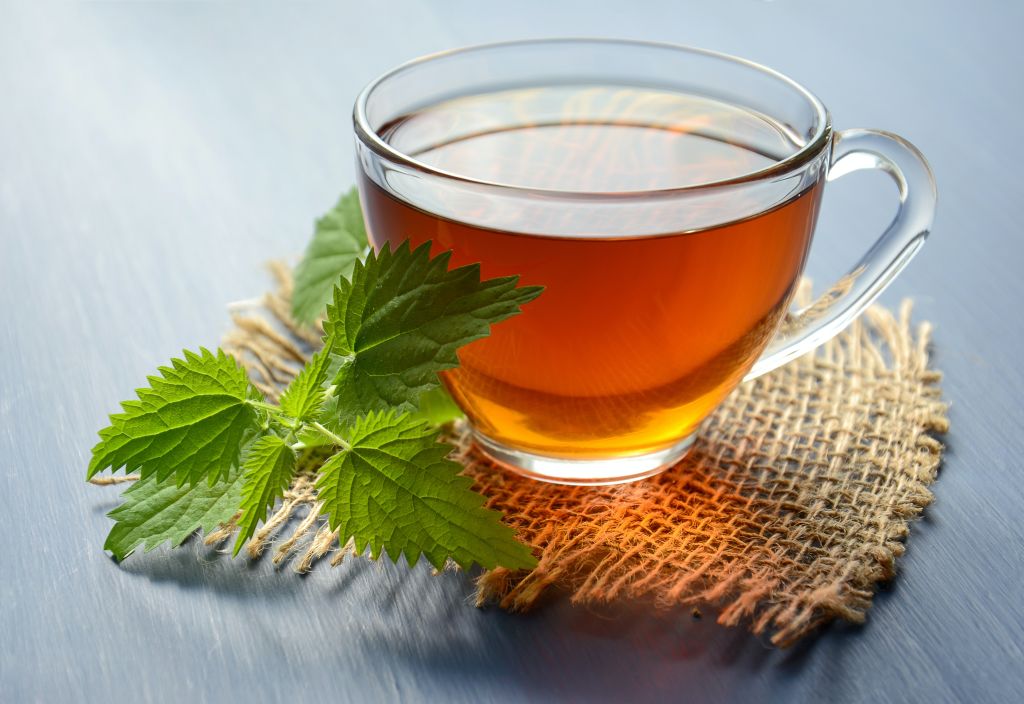
(Camellia sinensis) Arbusto de la famila de las cameliáceas, originario de Assam y de Bengala. Fue cultivado en China desde el siglo IV e introducido en Europa en el siglo XVI. Es perenne, de no más de 4 metros de altura, con hojas lanceoladas, ligeramente pubescentes, de hasta 15 centímetros de longitud y 5 de ancho. Las flores son blanco-amarillentas.
A hot drink made by pouring boiling water over dried leaves from the tea plant. It is the most popular hot drink in Britain.
Gender: masculino. Plural: tés.
🇬🇧 Usually uncountable: 'I love tea.' Countable when ordering: 'Two teas please.' Common collocations: cup of tea, green tea, black tea, herbal tea, tea bag, tea break, afternoon tea.
Tea is central to British culture. The British drink approximately 100 million cups of tea per day. 'A cup of tea' (or 'a cuppa') is often offered as a comfort in difficult situations. Afternoon tea is a tradition involving tea, sandwiches, and cakes.
Ejemplos
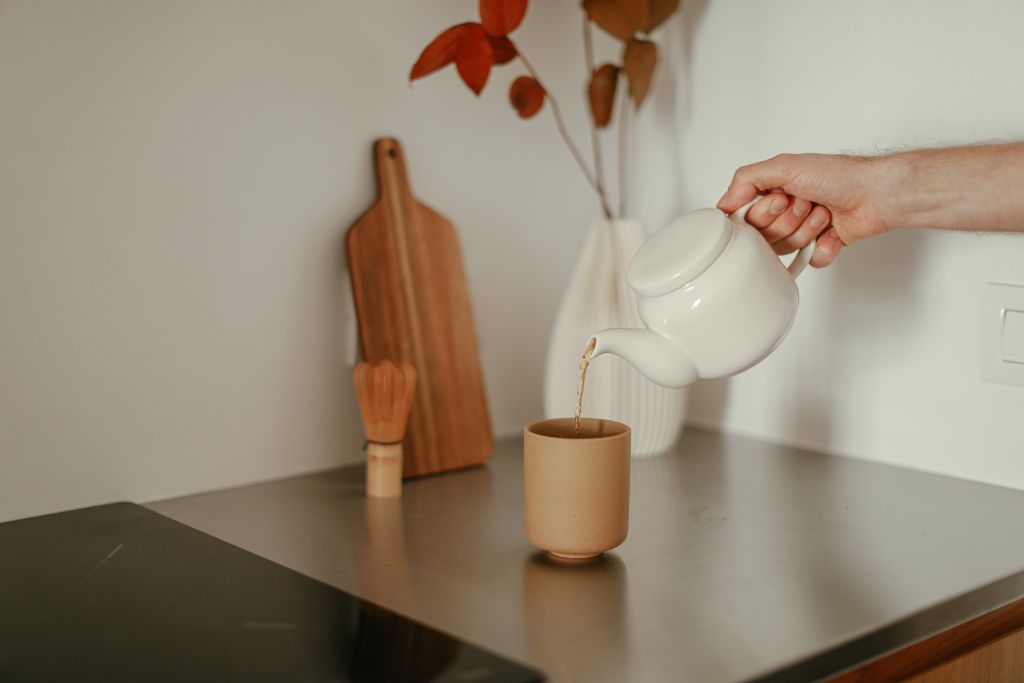
"Ella sirvió el té de una tetera."
🇬🇧 "She poured the tea from a teapot."
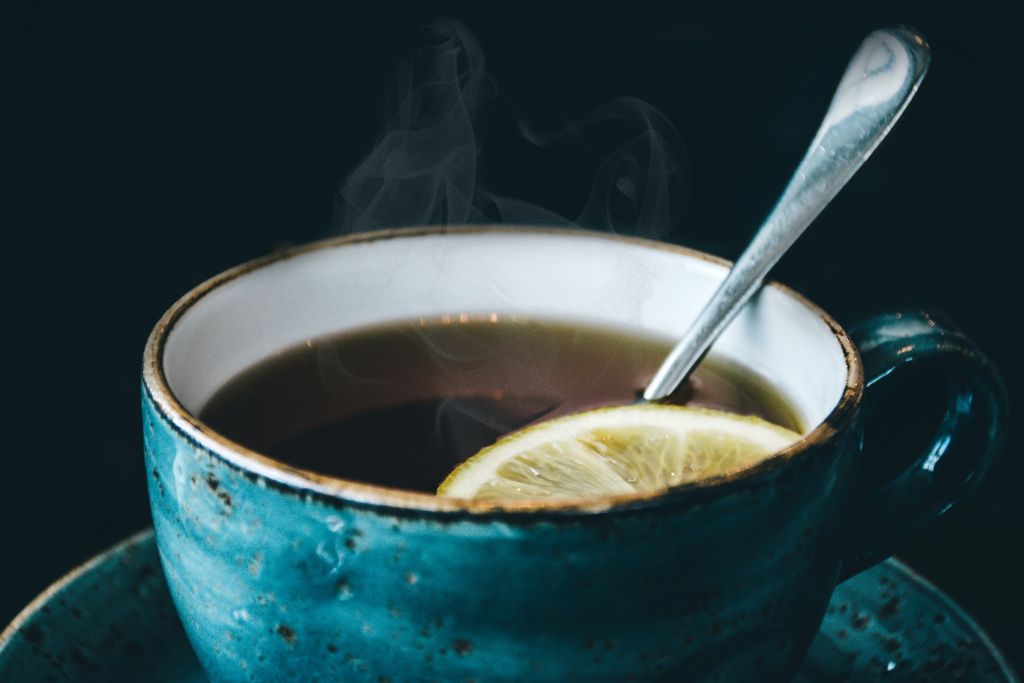
"Le añado una rodaja de limón a mi té."
🇬🇧 "I add a slice of lemon to my tea."