
「ごめんなさい」という言葉。また「ごめんなさい」と言うこと。.
Used to apologise, to express regret, or to politely interrupt or ask someone to repeat themselves.
Adjective used as an interjection. Can be followed by 'for': 'I'm sorry for being late.' Also used to ask someone to repeat: 'Sorry?' (rising intonation). Common phrases: 'I'm sorry', 'Sorry about that', 'Sorry to bother you'.
The British are famous for saying 'sorry' very frequently — even when something is not their fault, or when someone bumps into them. This is a cultural habit of politeness and conflict avoidance. In a survey, British people were found to say 'sorry' an average of eight times a day.
例文

"あなたに怒鳴ってしまってごめんなさい。(Anata ni donatte shimatte gomen nasai.)"
🇬🇧 "I am sorry I shouted at you."
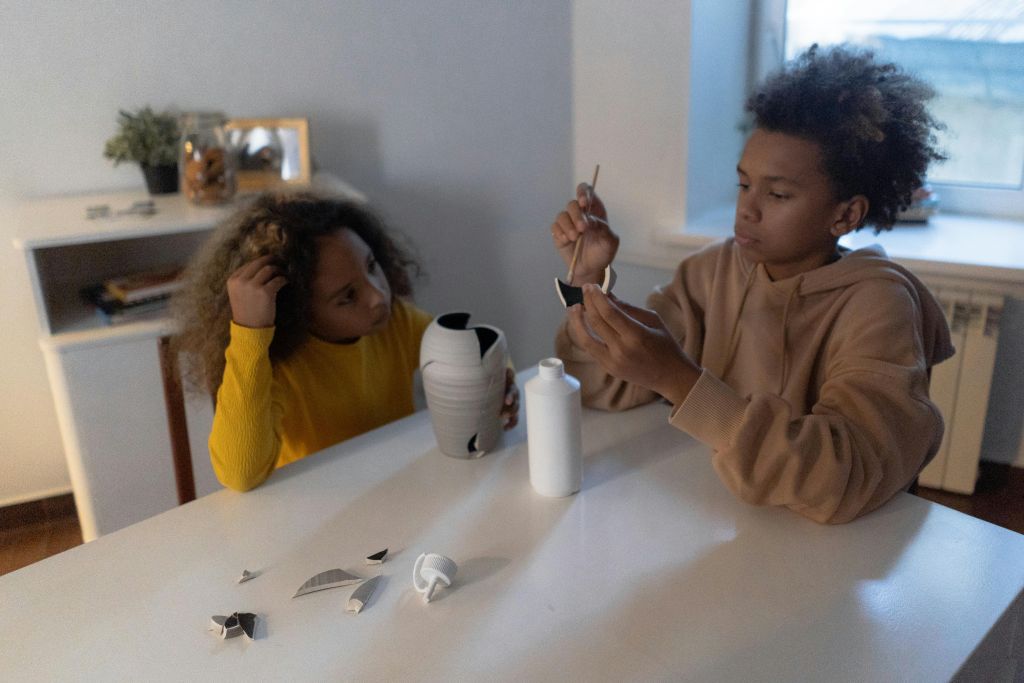
"彼らは鍋を割ってしまって申し訳なく思っている。(Karera wa nabe o watte shimatte mōshiwaku naku omotte iru.)"
🇬🇧 "They are sorry they broke the pot."